
Panchakarma Therapy: Holistic Body Cleansing

Exploring the Benefits of Panchakarma Therapy
Think of your body as a high-performance vehicle that, despite receiving premium fuel, eventually accumulates sludge in the engine valves. In Ayurveda, this sticky biological residue is known as Ama, a form of metabolic waste that lingers when digestion is incomplete or stressed.
According to Ayurvedic tradition, common symptoms like morning brain fog or a heavy white coating on the tongue are actually dashboard warning lights indicating that your internal system is struggling with this buildup.
Addressing this deep-seated accumulation requires more than a simple juice cleanse or a weekend of extra sleep. This is the domain of Panchakarma therapy, which literally translates from Sanskrit as the “Five Actions.”
Far from a superficial spa treatment, this comprehensive clinical system is designed to reverse the “wired but tired” feeling many modern adults accept as normal. By systematically loosening toxins, the process works to clearing the pathways that keep your energy stagnant.
The journey typically follows a distinct three-stage arc: preparation to soften the body, the active cleansing phase, and a crucial rejuvenation period. Holistic healing practitioners view this not as a temporary lifestyle trend, but as a necessary biological tune-up that succeeds in removing accumulated ama from the body where standard diet changes often fail.
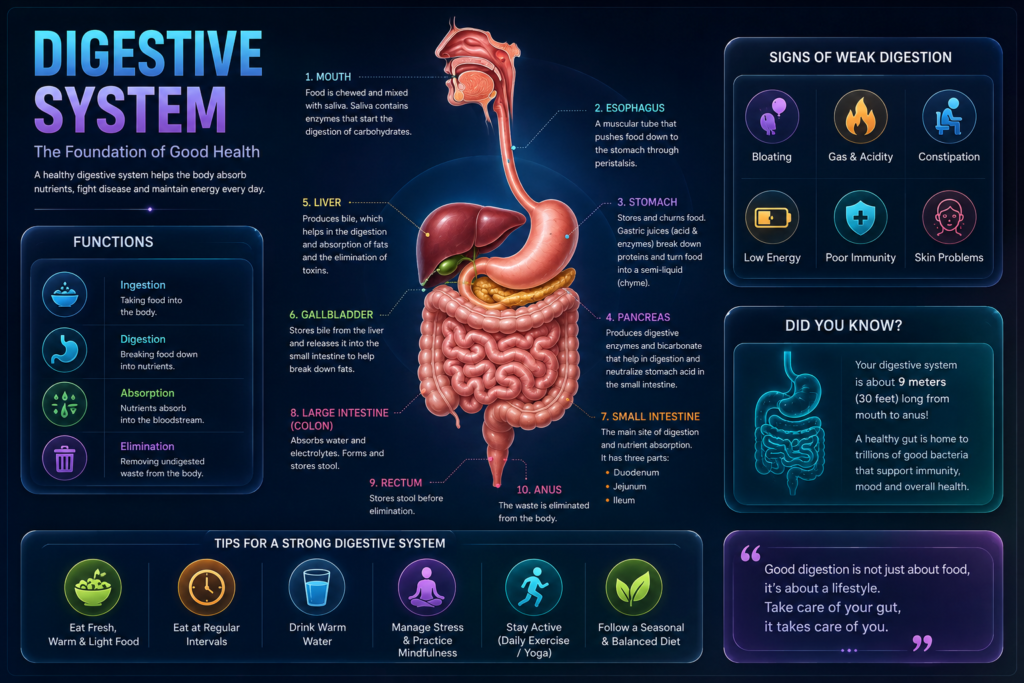
Loosening the Toxic 'Soot': How Purvakarma Prepares Your Body for Deep Cellular Cleaning
Imagine trying to scrub dried grease off a pan with only cold water; the process is exhausting and risks damaging the surface. Your body faces a similar challenge when dealing with Ama (accumulated metabolic toxins). Before these impurities can be eliminated, they must be loosened from deep within your tissues. This crucial preparatory phase is known as Purvakarma. It transforms sticky, lodged toxins into a mobile form that moves easily toward your digestive tract, ensuring the detox process is effective rather than shocking to your system.
Since many persistent biological toxins are fat-soluble, water-based cleanses often fail to dislodge them. Ayurveda addresses this through a specific sequence designed to bind and liquefy waste:
Deepana (Kindling Digestion): Using specific spices to ignite your metabolic fire, ensuring your body is strong enough to process the toxins being released.
Snehana (Oleation): Saturating the body with medicated ghee and warm oil massage to “magnetize” fat-soluble toxins and lubricate the tissues.
Swedana (Sudation): Applying therapeutic herbal steam to dilate bodily channels, melting impurities so they flow effortlessly toward the stomach for elimination.
By the end of this preparation, the heavy “soot” in your biological engine is loose and waiting to be cleared. Your system is now primed for the main event-the specific elimination therapies-without the risk of reabsorbing the waste or straining your organs.
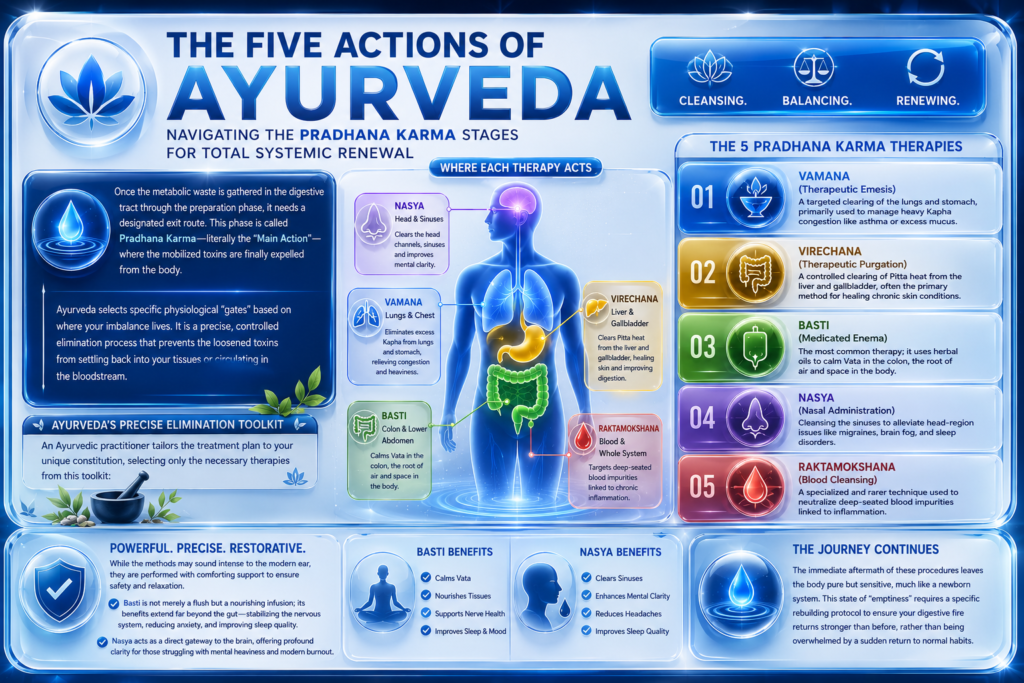
The Five Actions of Ayurveda: Navigating the Pradhana Karma Stages for Total Systemic Renewal
Once the metabolic waste is gathered in the digestive tract through the preparation phase, it needs a designated exit route. This phase is called Pradhana Karma-literally the “Main Action”-where the mobilized toxins are finally expelled from the body. Unlike a generic detox tea that forces everything out indiscriminately, Ayurveda selects specific physiological “gates” based on where your imbalance lives. It is a precise, controlled elimination process that prevents the loosened toxins from settling back into your tissues or circulating in the bloodstream.
An Ayurvedic practitioner tailors the treatment plan to your unique constitution, selecting only the necessary therapies from this toolkit:
Vamana (Therapeutic Emesis): A targeted clearing of the lungs and stomach, primarily used to manage heavy Kapha congestion like asthma or excess mucus.
Virechana (Therapeutic Purgation): A controlled clearing of Pitta heat from the liver and gallbladder, often the primary method for healing chronic skin conditions.
Basti (Medicated Enema): The most common therapy; it uses herbal oils to calm Vata in the colon, the root of air and space in the body.
Nasya (Nasal Administration): Cleansing the sinuses to alleviate head-region issues like migraines, brain fog, and sleep disorders.
Raktamokshana (Blood Cleansing): A specialized and rarer technique used to neutralize deep-seated blood impurities linked to inflammation.
[A simplified, calming illustration of the human silhouette highlighting the different focus areas (head, lungs, stomach, colon) in soft, distinct colors to show where each treatment acts.]
While the methods may sound intense to the modern ear, they are performed with comforting support to ensure safety and relaxation. For instance, Basti is not merely a flush but a nourishing infusion; medicated enema benefits extend far beyond the gut, often stabilizing the nervous system to reduce anxiety and improve sleep quality. Similarly, Nasya acts as a direct gateway to the brain, offering profound clarity for those struggling with the mental heaviness of modern burnout.
The immediate aftermath of these procedures leaves the body pure but sensitive, much like a newborn system. This state of “emptiness” requires a specific rebuilding protocol to ensure your digestive fire returns stronger than before, rather than being overwhelmed by a sudden return to normal habits.

Beyond the Surface: Why Therapeutic Massage and Steam Baths Are More Than Just Spa Treatments
While modern spa culture treats bodywork as a luxury, Ayurveda views Abhyanga-or warm oil application-as a clinical necessity for loosening deep-seated toxins. Think of a pan with burnt-on food; you wouldn’t scrub it dry, but would instead soak it in warm water to lift the residue first.
Similarly, this therapeutic massage saturates your skin with medicated herbal oils chosen for your specific body type. The oil penetrates through the layers of the skin to soften the sticky Ama (metabolic waste) that has hardened within your tissues, transforming your body from a rigid state into one capable of releasing impurities.
[Hands performing a rhythmic oil massage (Abhyanga) on an arm, showing the flow of movement.]
Once the tissues are lubricated, the physical technique shifts focus to internal movement. Unlike a standard deep tissue session that targets muscle knots, a therapeutic oil massage uses long, rhythmic strokes aligned with your arterial flow. This specific friction generates subtle heat and encourages stagnant fluids to move toward your digestive tract for elimination. It is a strategic process that turns your skin into an active organ of detoxification, ensuring that waste is coaxed out of the periphery and directed toward the body’s central exit channels.
Following the oil application, the process is sealed with Swedana, or herbal steam therapy. Just as heat melts solid butter, this warmth liquefies the impurities that the oil has loosened, dilating your body’s channels so toxins can flow freely without resistance.
This approach to holistic healing ensures that the body is physically prepared and open before the main elimination phase begins. With the physical channels now clear and pliable, we can effectively address the more delicate pathways governing your mind and digestion.
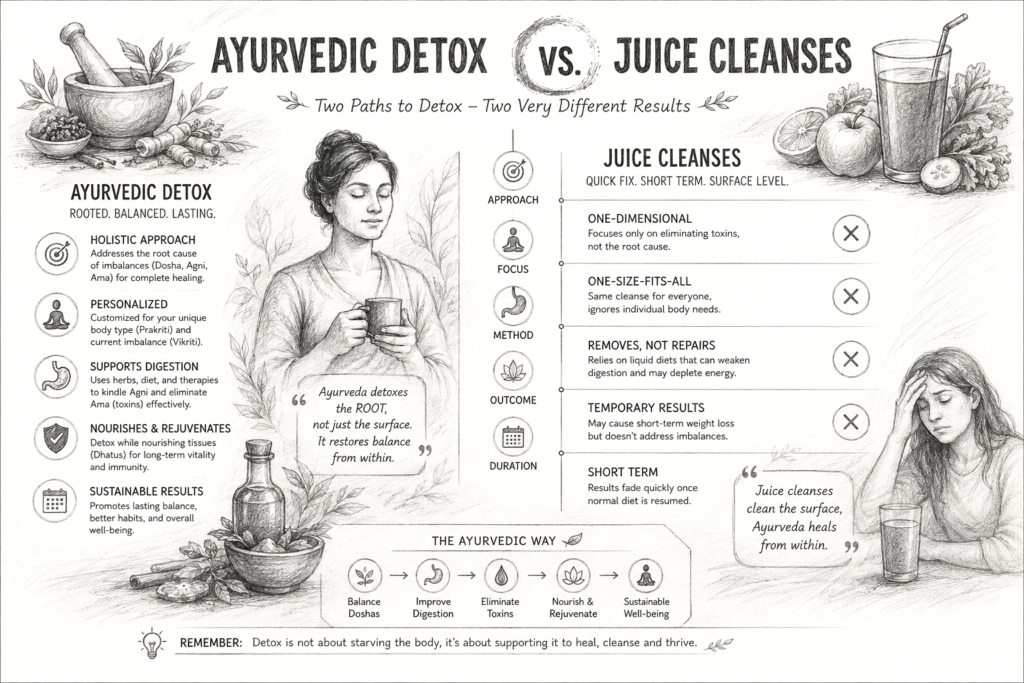
Ayurvedic Detox vs. Juice Cleanses: Why Biological 'Sweeping' Beats Simple Liquid Diets
Popular wellness trends often equate deprivation with purity, suggesting that living on cold-pressed vegetables for days is the ultimate reset. However, distinguishing between Ayurvedic detox and modern juice cleanses reveals a fundamental difference in how the body handles stress. When you flood a tired system with raw, cold liquids, the metabolism often enters a state of shock rather than repair. Instead of releasing toxins, the tissues may actually clamp down to protect themselves from the sudden caloric deficit and drop in internal temperature, halting the very process you intended to start.
Ayurveda views your digestion like a physical fire, known as Agni. Just as you wouldn’t throw a bucket of ice water on a campfire you are trying to build up, restoring digestive fire requires warmth and easily digestible fuel.
This is why true clinical detoxification relies on warm oils, cooked grains, and herbal teas rather than raw smoothies. By keeping the internal temperature high and the digestive workload low, the body maintains the energy required to actively process and burn off accumulated waste without extinguishing your metabolic spark.
Beyond temperature, the chemistry of the cleansing agent matters significantly. Many persistent environmental toxins are fat-soluble, meaning they embed themselves deep within our adipose tissue where water-based juices cannot reach them.
The benefits of internal cleansing stem from the strategic use of ghee and sesame oil, which act as lipophilic solvents to penetrate these layers, bind with the toxins, and escort them out of the body. Once this deep scrubbing is complete, the focus must immediately shift to protecting that delicate internal fire during the reintegration phase.

Clearing the Fog: How Targeted Treatments Like Nasya and Basti Support Brain and Gut Health
Many of us accept brain fog or a heavy head as normal side effects of a busy life, yet Ayurveda identifies these as signs of blockage in the mind’s primary channel. The nose is considered the direct doorway to consciousness, and Nasya therapy utilizes this connection by applying warm, herbalized drops into the nasal passages.
This process goes beyond simply clearing sinus congestion; it lubricates the sensitive tissues surrounding the olfactory nerves, signaling the brain to release accumulated tension and sharpen mental clarity.
While the head governs perception, the gut governs stability. Modern science frequently discusses the “gut-brain connection,” mirroring the Ayurvedic view that the colon is the headquarters of the nervous system.
Basti therapy addresses this by introducing a medicated enema-think of it less as a flush and more as a nourishing herbal infusion. Unlike harsh colonics that strip the microbiome, these nutrient-dense oils are absorbed by the intestinal walls, calming the nervous system and grounding anxious energy.
Recognizing how to balance your constitution effectively means addressing these specific root causes rather than just masking symptoms. These targeted therapies are particularly effective for relieving:
Chronic migraines and tension headaches
Insomnia and restless sleep patterns
Persistent bloating and irregular elimination
Anxiety and scattered mental focus
With the body’s internal pathways now open and nourished, we must distinguish this deep cellular reset from the superficial results of trendy liquid diets.
The Golden Rules of Aftercare: Protecting Your Digestive Fire (Agni) After the Cleanse
Just as a patient recovering from major surgery requires gentle care, your digestive system needs a specific transition period known as Paschatkarma (aftercare) following the intense cleansing phase. Following these post-treatment rejuvenation guidelines is critical because your metabolic fire, having just burned through deep-seated toxins, is currently like a tender, new flame. Rushing back into complex meals now would be like dropping a heavy log on a flickering candle—it would suffocate the very energy you worked so hard to restore.
To safely rebuild your strength, Ayurveda prescribes a stepped dietary protocol called Samsarjana Krama. This method focuses on restoring digestive strength by slowly increasing food density over several days:
Day 1: Sip only warm rice water or thin vegetable broth to hydrate without taxing the stomach.
Day 2: Introduce a semi-solid rice gruel or thin soup spiced with mild cumin and ginger.
Day 3: Graduate to Kitchari (a soft stew of mung beans and basmati rice) and steamed vegetables.
Adhering to these dietary restrictions ensures that your body absorbs nutrients efficiently rather than creating new waste immediately. This fragile window determines the longevity of your results; treating your digestion with patience now solidifies the deep cellular reset you have just achieved. With your internal engine now clean and primed, the final step is understanding how to schedule and approach this transformative experience in your real life.
Your Roadmap to Renewal: Practical Steps to Transition from Curiosity to a Panchakarma Experience
Shifting your perspective on health involves moving from merely treating symptoms to mastering your internal engine. You now grasp the essential rhythm of this ancient science: preparation to loosen deep-seated toxins, the active cleansing phase to flush them out, and the crucial aftercare that rebuilds your vitality.
Start your reset today by gently scraping your tongue each morning to monitor your digestion. When you are ready to experience the full benefits of internal cleansing, use this checklist to select a qualified Panchakarma therapy center:
Consultation First: Requires an initial pulse diagnosis rather than booking straight from a menu.
Credentials: Staffed by certified Ayurvedic Doctors (BAMS) or practitioners.
Customization: Offers personalized oils and plans, not generic packages.